
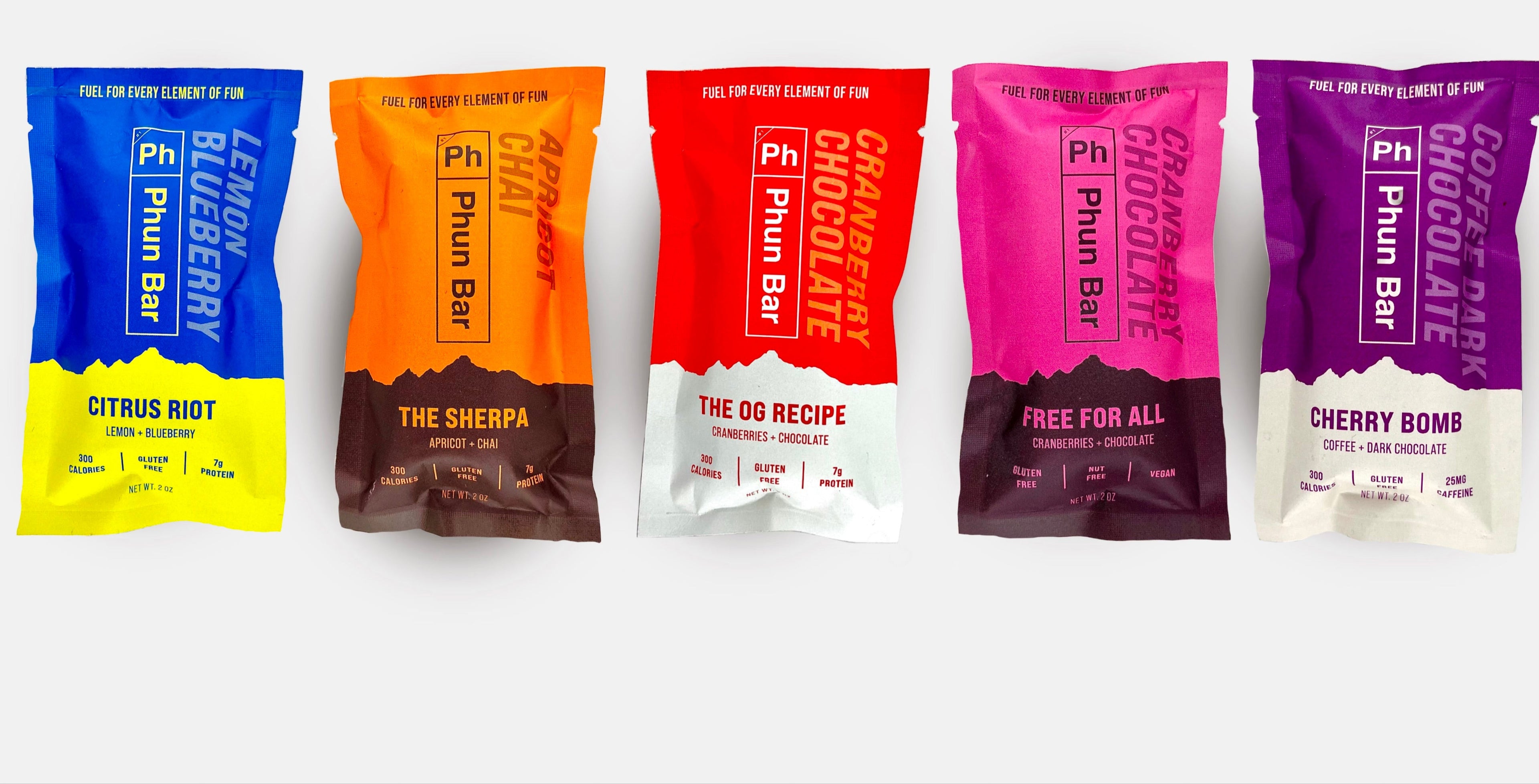
5 Delicious Flavors
-
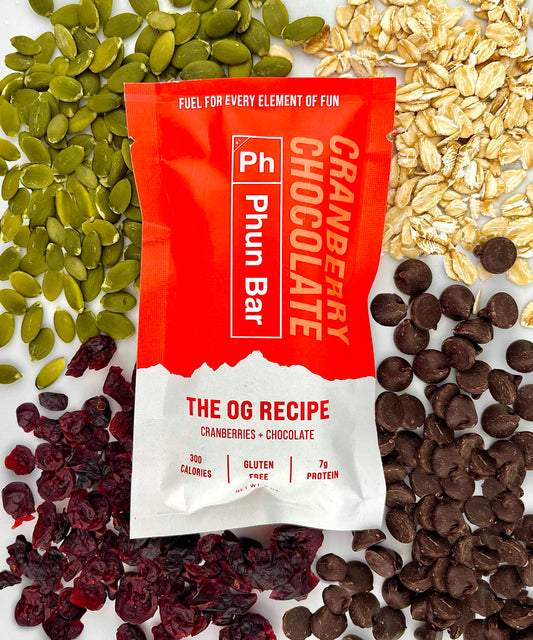
Cranberries+Chocolate "OG Recipe"
Regular price $3.75 USDRegular priceUnit price per -
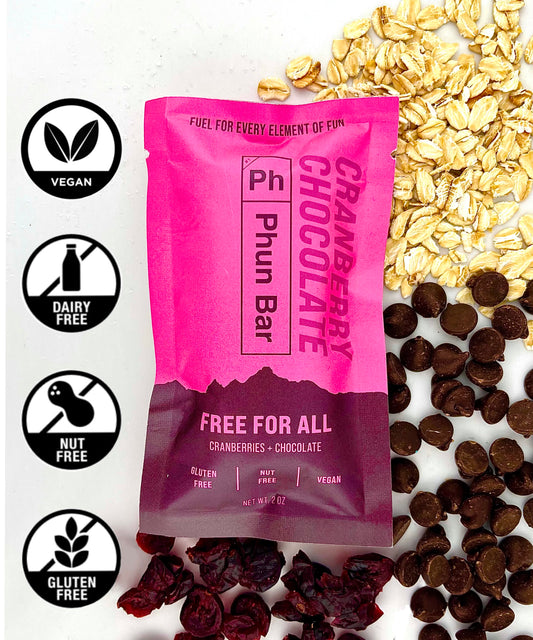
Cranberries+Chocolate Vegan "Free For All"
Regular price $3.75 USDRegular priceUnit price per -
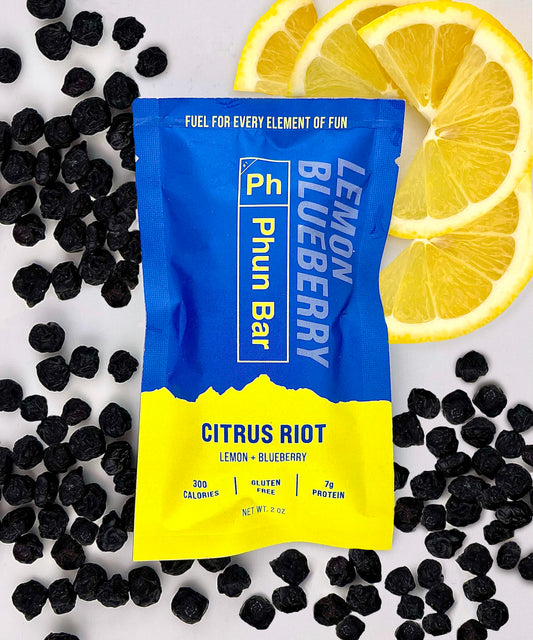
Lemon Blueberry "Citrus Riot"
Regular price $3.75 USDRegular priceUnit price per -
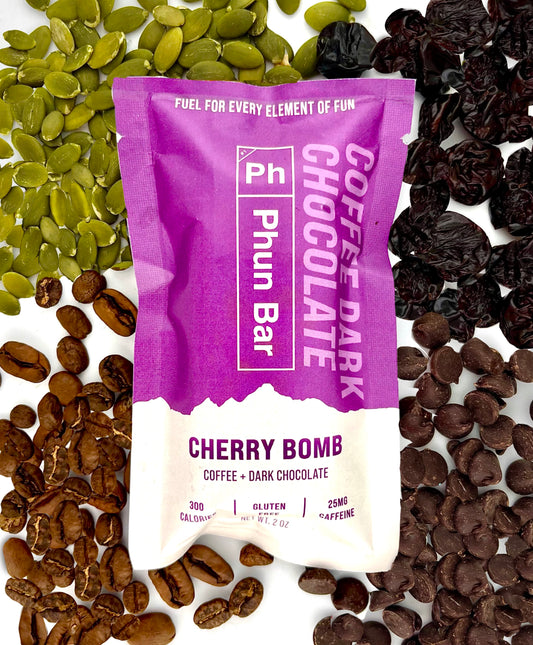
Coffee+Dark Chocolate+Cherry "Cherry Bomb"
Regular price $3.75 USDRegular priceUnit price per -
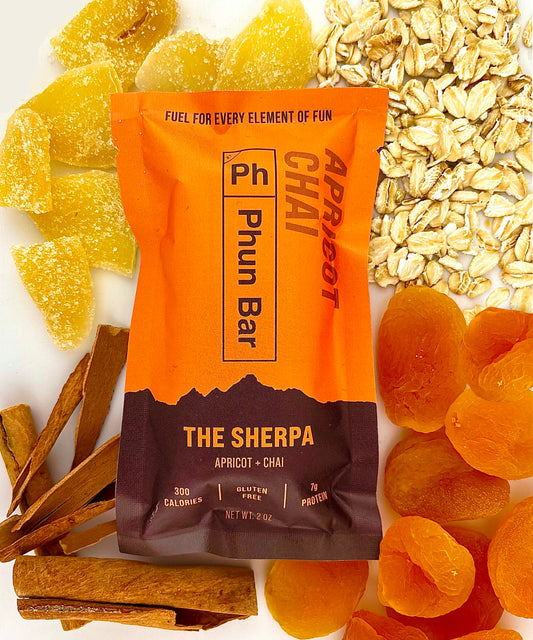
Apricot+Chai "The Sherpa"
Regular price $3.75 USDRegular priceUnit price per -
12 PACK: Cranberries+Chocolate "OG Recipe"
Regular price $45.00 USDRegular priceUnit price per -
12 PACK: Cranberries+Chocolate Vegan "Free For All"
Regular price $45.00 USDRegular priceUnit price per -
12 PACK: Lemon Blueberry "Citrus Riot"
Regular price $45.00 USDRegular priceUnit price per -
12 PACK: Coffee+Dark Chocolate+Cherry "Cherry Bomb"
Regular price $45.00 USDRegular priceUnit price per -
12 PACK: Apricot+Chai "The Sherpa"
Regular price $45.00 USDRegular priceUnit price per



Made with Purpose
We started with a simple idea: fuel your fun with real, recognizable ingredients that deliver natural energy. We were tired of energy bars that were dry, dusty cardboard pucks or sticky, candy-like sugar bombs. We wanted a great-tasting healthy energy bar that we actually looked forward to eating on long runs and rides. So we made something better.
Every bite is made with purpose, using ingredients straight from nature with creative flavors that spark joy without slowing you down. Whether you’re chasing adrenaline or cranking through the work day, Phun Bar is fuel for every element of fun.

When to Phun Bar
Phun Bar is your go-to energy bar for any adventure. Power up before, during, or after a workout, curb cravings between meals, or pack one in your kid’s lunchbox for a wholesome treat. Voted the best energy bar for hiking, running, biking, skiing, or wherever the day takes you—especially travel, our favorite time to snack smart.

Why Phun Bar
Made with Purpose: Created to fuel your Phun—proudly with 300 calories of real, healthy energy–with no added sugars, and ingredients you can actually pronounce – with 7 grams of protein and 26 grams of carbs to keep you going strong on the trail, the road, or wherever the day takes you.
Delicious, Real Ingredients: If we wouldn’t buy it at the store, it’s not going in our energy bars.
Light, Yet Energizing: Goes down easy, even when your heart rate’s up over a long period of time.
Bold Flavor: From Lemon Blueberry to Apricot Chai, our energy bars drop a flavor bomb on your taste buds.
Small Biz, Big Moves: Handcrafted in small batches with passion, from our kitchen to your hand.
Frequently Asked Questions
Are Phun Bars gluten-free?
Yes. Every Phun Bar flavor is gluten-free.
Do you make a vegan energy bar?
Yes. The Free For All bar is 100% vegan, dairy-free, nut-free, and gluten-free.
How many calories and how much protein are in a Phun Bar?
Each bar has about 300 calories with 7 grams of protein and 26 grams of carbs, and no added sugars.
Do any Phun Bar flavors contain caffeine?
Yes. The Cherry Bomb flavor contains 25mg of caffeine, about a quarter cup of coffee. The other flavors do not contain added caffeine.
Where are Phun Bars made?
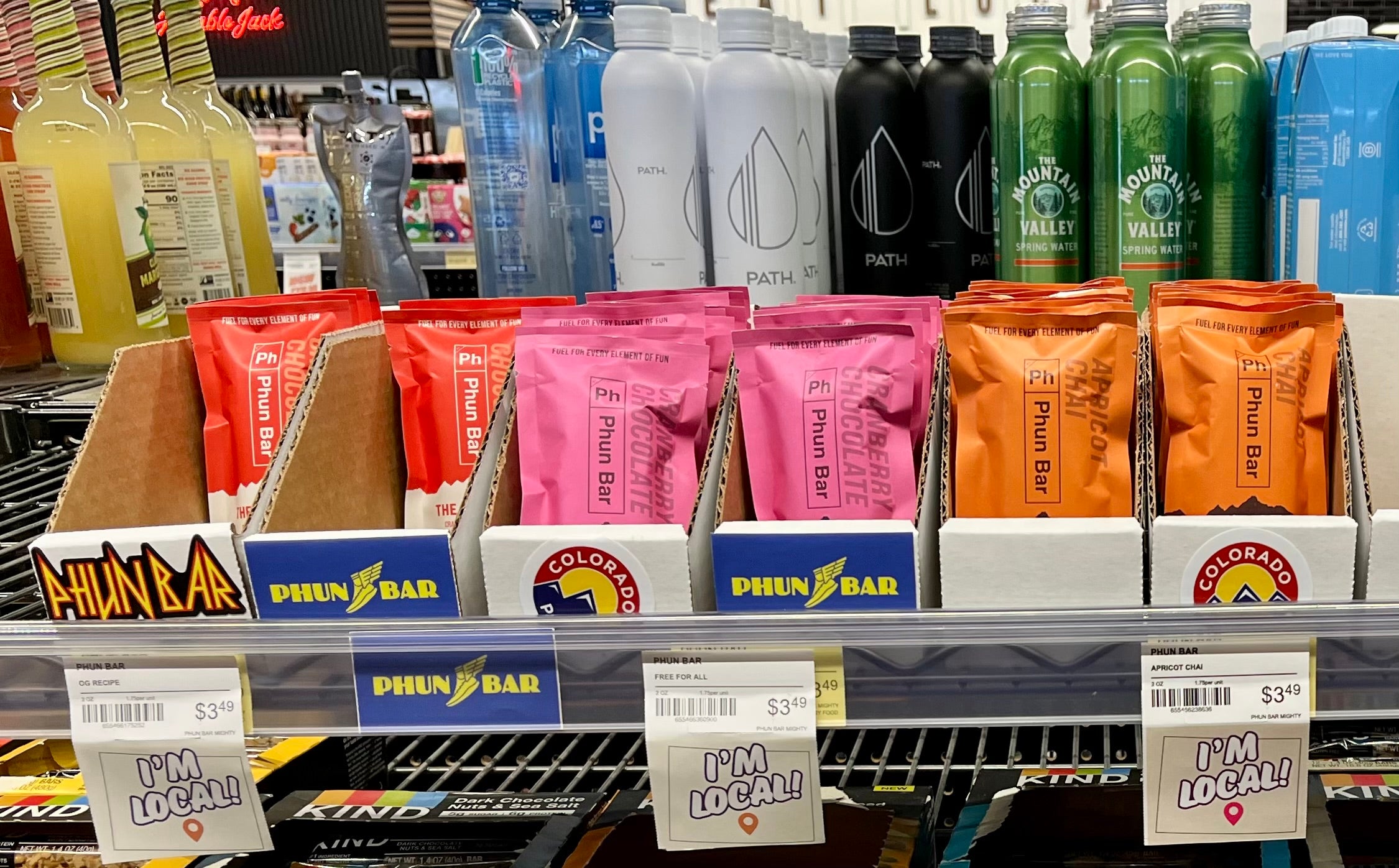
Phun Bars are handcrafted in small batches in Colorado.
Where can I buy Phun Bar?
You can order online at phunbar.com or find a local retailer using the Store Locator on our website.
What makes a good energy bar for athletes?
A good energy bar for athletes delivers fast, digestible carbohydrate and enough calories to sustain effort, without sitting heavy in your stomach. Phun Bar is built around that standard: each bar packs 300 calories and 26 grams of carbs to top off glycogen, plus 7 grams of protein, using recognizable real-food ingredients and no added sugar. The result is steady fuel for runs, rides, hikes, and long training days that won’t spike and crash like a candy bar.
How many calories and carbs should an athlete’s energy bar have?
For most training sessions, athletes want a bar with roughly 200–300 calories and 25–40 grams of carbohydrate — enough to meaningfully top off energy stores in one serving. Every Phun Bar hits 300 calories and 26 grams of carbs, so you can plan your fueling without doing math mid-workout. Pair it with water so the carbs absorb quickly.
Is an energy bar the same as a protein bar?
No — energy bars and protein bars solve different problems. A protein bar is built around recovery and muscle repair, so protein dominates the macros. An energy bar like Phun Bar is built to fuel movement, so carbohydrate leads (26 grams) with a supporting 7 grams of protein. If your goal is performance during activity rather than recovery alone, an energy bar is the better tool.
When should athletes eat an energy bar?
Eat one 30 to 60 minutes before training to top off glycogen, take small bites with water during longer efforts to keep energy steady, and reach for one afterward when a full meal isn’t convenient. Because Phun Bars are soft and easy to chew, they go down easily even mid-effort when your heart rate is high.
Are energy bars better than gels or chews for endurance?
It depends on the effort — bars, gels, and chews each have a place. Gels and chews deliver fast sugar in a tiny package for high-intensity racing, but many athletes find them too sweet or hard on the stomach over long days. A real-food energy bar gives you more lasting, satisfying fuel and a break from syrupy textures, which is why many endurance athletes carry both and rotate.
How do I choose the right Phun Bar for my sport?
Match the bar to the demand of your day. Reach for OG Recipe on long runs, Citrus Riot for hot rides when you’re tired of chocolate, Cherry Bomb when you want a caffeine lift before training, Free For All if you eat plant-based or avoid common allergens, and The Sherpa for all-day efforts in the backcountry. Every option shares the same 300-calorie, real-food foundation.